
They Deleted My Account by Automated Email, in the Middle of the Night, While I Was Staying There — One Month with Airbnb and a Minpaku Host
日本語版: 滞在中に、深夜のメール一通でアカウントを消された
In May 2026 I returned temporarily to Japan from abroad and booked a minpaku (short-term rental) in Tokyo through Airbnb for five nights. The amount paid was ¥214,002. As I learned later, ¥36,492 of this was Airbnb's service fee, and ¥177,510 went to the host.
During that stay, a single automated email arriving in the middle of the night began a month of negotiations. What follows is a record based on the emails I still have. All times are given in GMT, in line with Airbnb's own records (Japan Standard Time is GMT+9). The name of the host company and its representative are withheld. Personal information in the images has been redacted.
The property had a staircase so steep that I could not get up to the second-floor bedroom, and I slept on the sofa on the ground floor.
1. The email in the night
At 10:42 GMT on 22 May (19:42 Japan time the same day), an automated email from Airbnb arrived with the subject line "Your account has been removed." The body read:
"Your account has been removed from the Airbnb platform because we've noticed some unusual payment activity—for example, a compromised payment or payout method."
Under the heading "Why we made this decision," the same email continued:
"For the safety of our community, we may remove accounts if we notice activity that could lead to fraud, scams, or abuse."
And also:
"Any future reservations have been canceled and fully refunded. Refund timing will depend on processing times for your payment method."
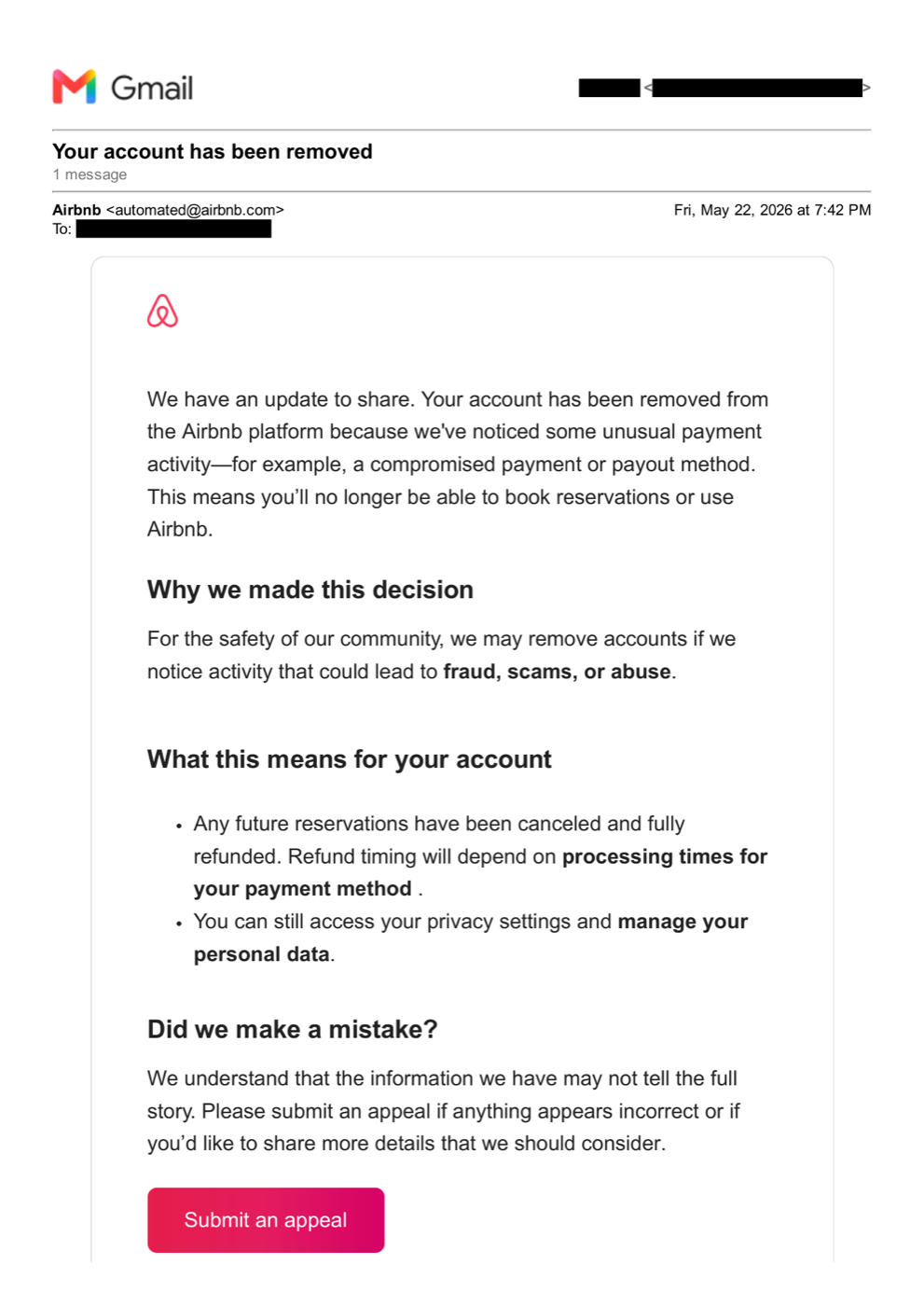
Exhibit 1: the automated email from Airbnb, 22 May 2026 (personal information redacted)
Two explanations of a different nature sit side by side in a single notice. "A compromised payment or payout method" describes an event in which the user may be the victim. "Activity that could lead to fraud, scams, or abuse" is a statement that presupposes the user is the perpetrator. Which of the two applied was never specified.
At that moment I was staying at the property under that very reservation. The stay ran from 21 to 26 May. The email arrived on the second night. There was no telephone call and no contact from any person. There was only a single automated email.
2. Paying the host directly
Exhausted from having just arrived and with nowhere else to go, I telephoned the host the next morning, explained the situation, and asked to be allowed to stay as planned. The host told me that extending the stay would come to ¥256,802 in total. I transferred that amount directly to the host's bank account through a money transfer service.
The figures, set out plainly:
- The host had already received ¥177,510 for five nights through Airbnb
- On top of that, the host received ¥256,802 directly from me for the same stay, extension included
- For that one stay, the host received a total of ¥426,802 — in fact ¥434,312 when both sums are added
- Airbnb's nightly rate here worked out to roughly ¥35,500. At that rate, six nights would come to about ¥213,000
Moreover, this payment was made outside the Airbnb platform, which left me without the protections the platform provides. At the time I had no capacity to question any of it.
3. "We won't be able to offer you additional support"
I asked why my account had been removed and explained repeatedly that I had done nothing of the kind. The replies, in date order, were as follows.
23 May, from an agent named Kumar:
"We've given your case and its details careful consideration. At this time, we won't be able to restore your account or offer you additional support on this matter"
The following day, 24 May, from an agent named Mohd:
"We've given your case and its details careful consideration. At this time, we won't be able to restore your account or offer you additional support on this matter"
The two messages are word for word identical apart from the agent's name. None of the specific questions I had raised were answered: the concrete reason for the suspension, the reason my appeal was rejected, whether automated review was involved, the amount and timing of the refund, or whether my current stay could continue.
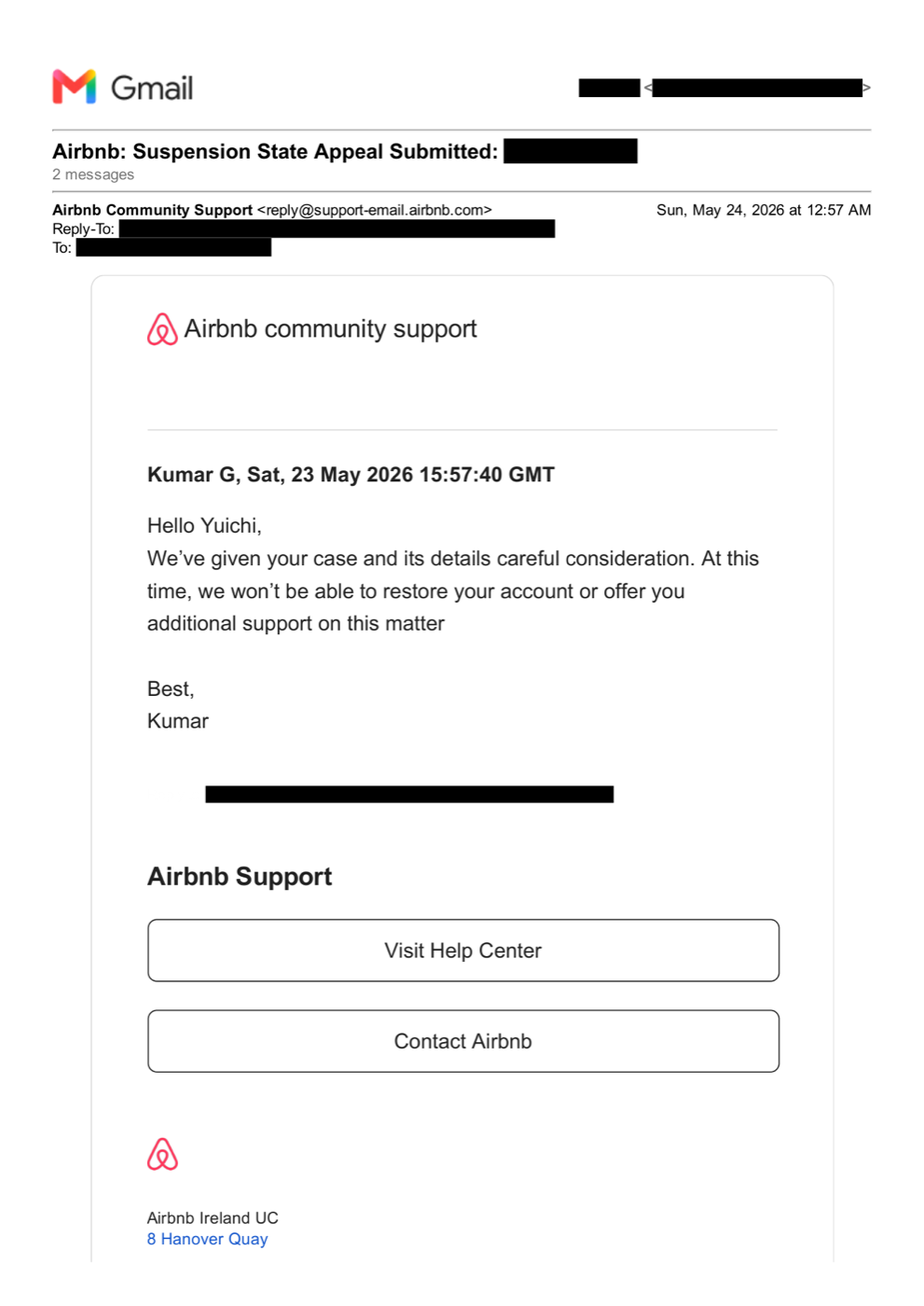
Exhibit 2: the reply from Kumar, 23 May (GMT)
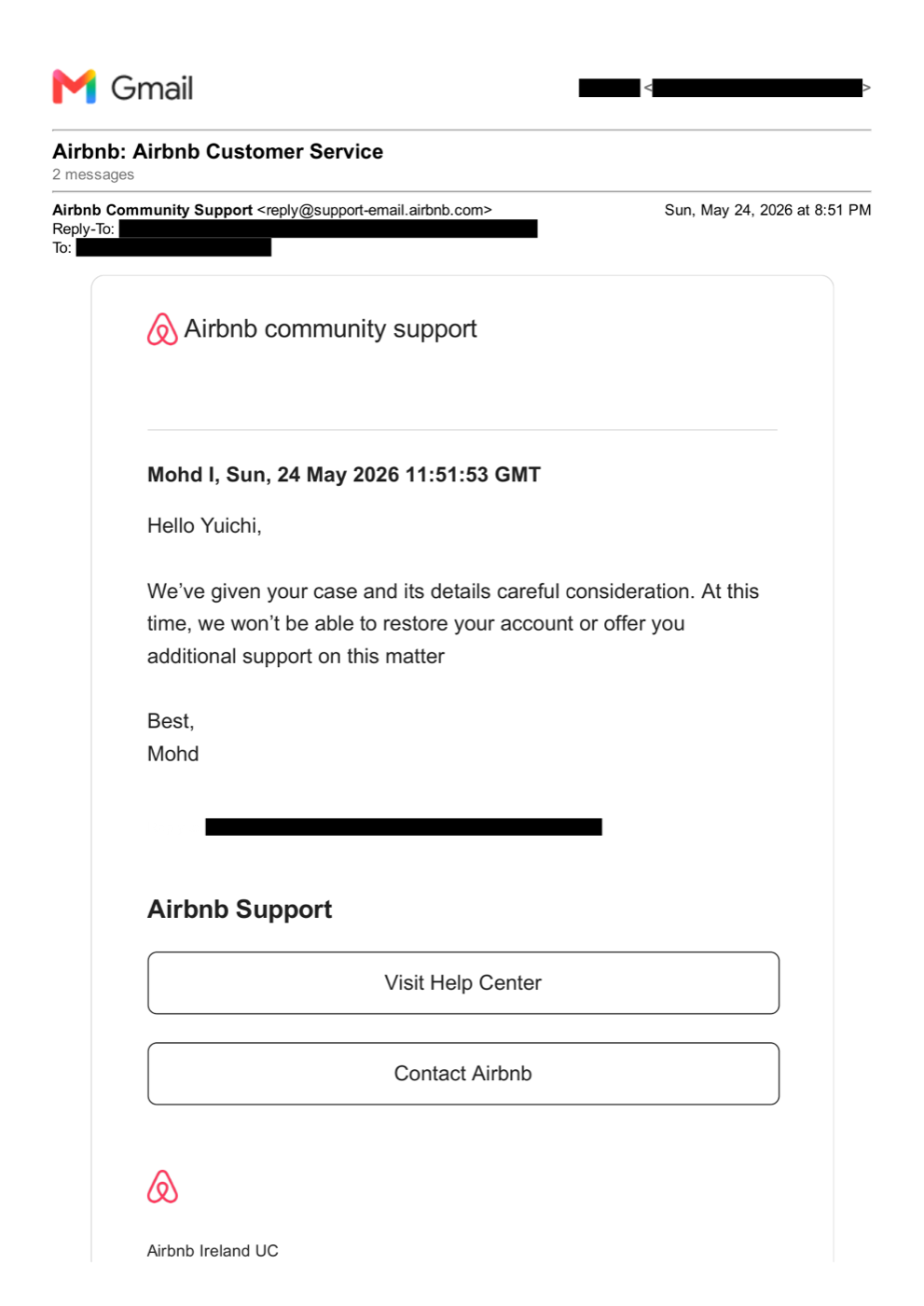
Exhibit 3: the reply from Mohd the next day, 24 May (GMT) — identical apart from the name
Then, on 25 May, an agent named Alex reversed the position:
"After reviewing your account again and the information available at this time, we've determined that your account should be restored."
On the same information, the opposite conclusion was reached within three days. That sequence itself shows that one of the two decisions was wrong.
4. "Due to our privacy policy"
I asked again why the account had been removed. On the same day, 25 May, Alex answered:
"Due to our privacy policy we're unable to release any information regarding the disablement of your account, but please know that a full and thorough investigation has been carried out."
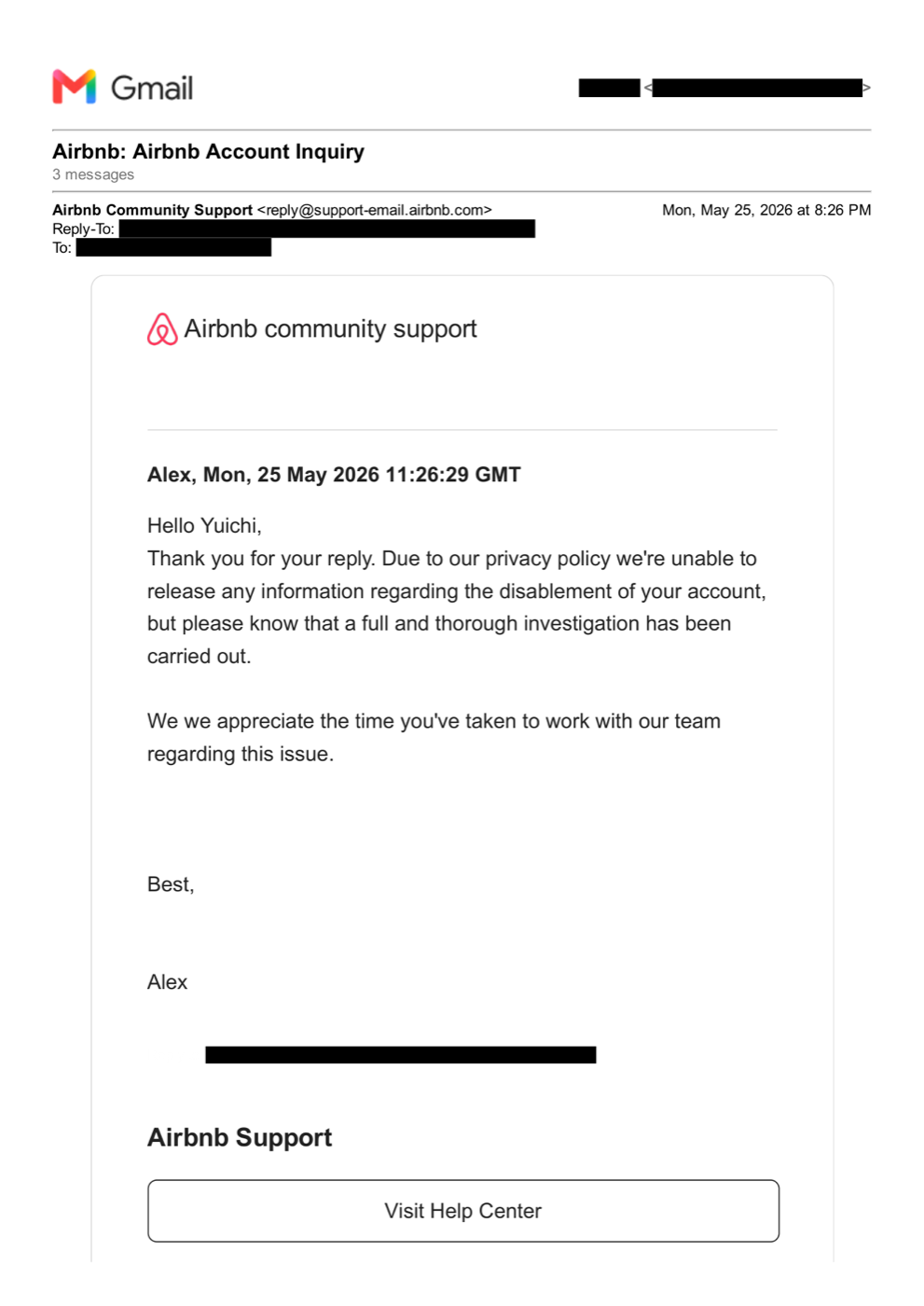
Exhibit 4: the refusal to disclose the reason, from Alex, 25 May (GMT)
The privacy being protected here is my own. I was asking for information about myself, and was refused on the grounds of my own privacy. In the same sentence I was told that a thorough investigation had been carried out. An investigation that is not disclosed cannot be examined from outside.
5. The refund
My account was restored. The refund stated in the notice, however, was not made. On 31 May I asked again, in writing, whether a refund had been approved, and for the amount, the method and the timing. There was no reply.
As I kept asking, the answers changed. First: "we have no obligation to refund you." Then: "to resolve the double payment the host must first return about ¥170,000 to us, but the host refuses; therefore we have no obligation to refund."
The original notice had stated that the timing of the refund would depend on the processing times for my payment method. It did not state any condition on whether a refund would be made at all.
On 4 June yet another agent, Divya, wrote to tell me that my account had been restored — a matter already settled ten days earlier. In my reply I pointed out that my enquiries via Twitter, by email, and my filing with the Cross-border Consumer Center Japan did not appear to be linked as a single case.
Each time I made an enquiry a new agent was assigned, and because that agent had no knowledge of my case I had to explain everything again from the beginning. In total I dealt with roughly 25 agents (about 21 at the Irish entity and 4 at the Japanese entity).
6. The host
I telephoned the host to ask why the refund was being refused and on what basis the amount had been set. The host's representative said, in substance: "this is not inflated," "there is no need to explain our pricing to you," and "in the end you were the one who paid and agreed." Then the call was ended. After that, my calls were automatically blocked.
The host maintained that ¥170,000 had been returned to Airbnb; Airbnb replied that it had received no refund from the host. The two accounts contradicted each other. I set both replies side by side in writing and asked the host to explain.
7. The outcome
In the end the host returned ¥177,510 to Airbnb, and Airbnb refunded me ¥177,510 on 29 June and ¥36,492 on 30 June — ¥214,002 in total, the full amount.
In other words, the money I had paid to Airbnb was refundable exactly as the original notice had said. It took a month, and roughly 25 agents, for it to actually come back.
Of the ¥256,802 paid directly to the host, the portion corresponding to the additional charge has still not been returned.
8. What happened in the meantime
I consulted a lawyer, the police, and the consumer hotline about this matter. Their responses came down to this: "This is not fraud, and the company has not behaved unreasonably. There is no law that protects you. You paid the money, so it is your responsibility. Find someone among the countless lawyers out there who might help you."
I also filed with the Cross-border Consumer Center Japan, and there too the answer was "you will have to find a lawyer." I consulted the police (Kameari Police Station) as well, and was told the same.
I also applied for a legal consultation at a large law firm in Tokyo, and they declined to take the case. I have written about what happened at that consultation separately.
Over this period my insomnia worsened. For nearly three weeks after returning to Japan there were days when I slept only about an hour, and in late June, afraid that I would collapse, I called an ambulance and was taken to hospital.
On X (formerly Twitter), I sent the same message to the official accounts of several political parties holding different positions, asking for their views on this case. None of them replied.
9. What remains
In the end, the ¥214,002 paid to Airbnb was returned in full. But that was not the result of professional help; it was the result of my continuing to negotiate on my own for a month.
Deleting the account of a guest mid-stay by a single automated email in the night; setting out two reasons of a different nature in one notice and never specifying which applied; turning me away twice with an identical form reply; refusing to disclose the reason on the grounds of a privacy policy; and failing to carry the case from one agent to the next. For none of this was there any explanation, and no apology.